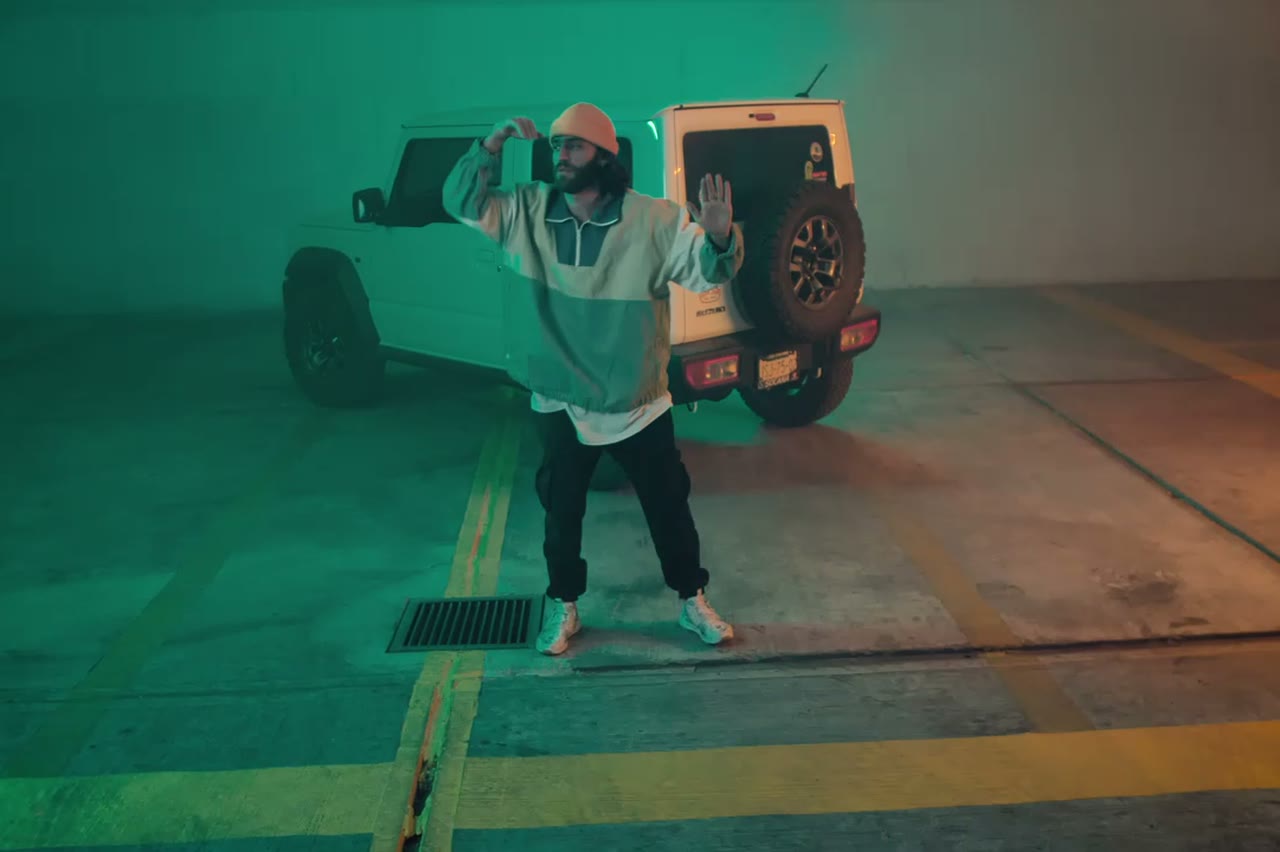
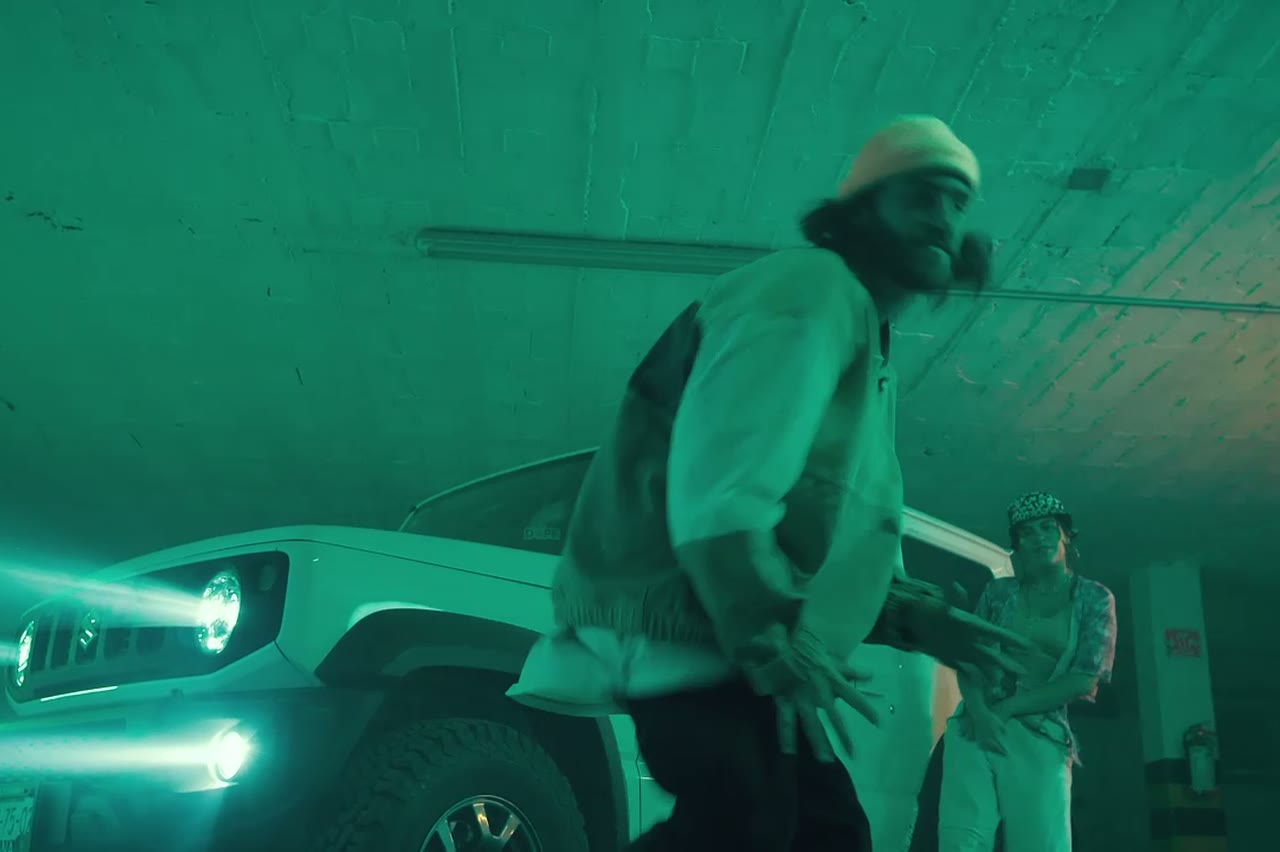
Boom-bap · Trap · Drill · Golden era

AI Hip Hop Video Generator

Hip hop is a family of visual languages, not one look. A boom-bap record wants warm film grain, a brick wall and a low sun. A drill record wants cold blue light, a wide empty estate and a camera that never sits still. The generator is only useful if it can tell those worlds apart.

This studio approaches style through era, location, light and camera rather than a pile of aesthetic keywords. The four presets cover a stage, a booth, a rooftop cypher and a 1990s sidewalk, and the prompt box lets you describe the specific visual language of your record.

Clips on this page are AI-generated previews. They are fictional and not a record of a real event.

Updated 24 October 2026

A hip hop performer in a warm-lit basement studio, cinematic AI hip hop video still
Length
5–12 seconds
Resolution
480p · 720p · 1080p
Aspect ratio
9:16 · 16:9 · 1:1
Watermark
None on paid renders
Model
Seedance 2.0
Moderation
SeeAPI, fail-closed

Style through specifics

Name the era, the location, the light and the film look. Concrete details produce a more coherent scene than a list of mood words.

Sub-genre is a lighting choice

Boom-bap tends warm and grainy; drill tends cold and wide; trap often sits in haze and neon. The prompt treats those as directable choices.

Performance first

The presets keep the artist in frame and give them a clear action, so the clip reads as a performance rather than a moving mood board.

How it works

  1. 1

    Choose the sub-genre look

    Decide on warm and nostalgic, cold and modern, or hazy and nocturnal. That single choice sets the palette and the camera language.

  2. 2

    Name the location

    A basement, a rooftop, a corner store, a stage. Locations carry more genre information than adjectives.

  3. 3

    Add the performer

    Upload a portrait for likeness, or describe the performer for a concept shot. Keep the outfit consistent with the era you chose.

  4. 4

    Keep one anachronism out

    Modern phones, LED walls and current logos break a period scene. The presets explicitly exclude period-inaccurate screens for that reason.

Start from a tested prompt

Each prompt is complete: subject, scene, camera and what must not change. Copy it or open the studio with it pre-filled.

A cold blue rooftop scene with a performer in a hoodie, AI hip hop video frame

Retro VHS

A 1990s sidewalk scene with a shared boombox.

Prompt (English)

Use the two people in the uploaded photos as the only performers. A sunlit city sidewalk in the mid-1990s, a large silver boombox on the ground between them, brick wall and parked cars behind. The pair trade verses and laugh between lines, baggy outfits moving with the beat. One continuous handheld shot with a slight zoom, framed like a 1990s music-video segment, warm film grain and soft VHS halation. Keep the faces, hair, outfits and body proportions exactly as photographed. No period-inaccurate screens, no extra people, no text, no watermark, no logo. Vertical 9:16.

Use in studio

Night Cypher

A rooftop cypher circle under sodium lights.

Prompt (English)

Use the person in the uploaded photo as the lead performer. An empty rooftop car park at night, wet concrete reflecting orange sodium lights, a loose circle of six silhouetted figures clapping. The rapper walks into the centre of the circle and performs, turning slowly to face the camera. One continuous low-angle tracking shot that circles the performer at knee height, ending on a medium close-up. Keep the face, hair, outfit and body proportions exactly as photographed. No fighting, no extra foreground people, no text, no watermark, no logo. Vertical 9:16.

Use in studio

Solo Booth

A close, intimate booth performance to camera.

Prompt (English)

Use the person in the uploaded photo as the only performer. A narrow recording booth at night, a large-diaphragm condenser microphone on a shock mount, warm tungsten key light from the left and a cold blue rim light from behind. The rapper leans into the mic and performs directly to camera, shoulders moving with the beat. One slow dolly-in from a medium shot to a close-up, shallow depth of field, slight handheld float. Keep the face, hair, outfit and skin tone exactly as photographed. No headphones swapping, no extra people, no text, no watermark, no logo. Vertical 9:16.

Use in studio

Four visual languages worth knowing

Golden-era boom-bap: warm tungsten, film grain, brick and concrete, loose framing, a slow zoom. Trap: haze, magenta and blue practicals, hard rim light, slow push-ins, luxury surfaces. Drill: cold daylight or sodium night, wide empty streets, low angles, restless handheld movement. Conscious and alternative rap: natural light, texture, negative space and a quieter camera.

You do not need to name the sub-genre in the prompt. Describe what the camera sees: the colour of the light, the surface of the wall, the distance between the performer and the lens. The model responds to the image, not the marketing label.

Why era is harder than it looks

A period scene fails on small objects: a modern car in the background, an LED sign, a phone in someone's hand, a sneaker that did not exist yet. The model does not know your reference year unless you tell it, and even then it may miss a detail.

The practical fix is to reduce the number of period objects. A brick wall, a boombox and a sidewalk are easier to keep consistent than a full street scene with traffic, shopfronts and a crowd. Fewer props means fewer chances to break the illusion.

Matching the visual to the record

Tempo and density suggest camera speed. A sparse, slow record gives the camera room to hold; a dense, fast record can carry a moving shot. This is not a rule, but it is a useful starting point when two presets feel equally plausible.

Colour carries emotion faster than any other choice. Warm sodium and tungsten read as memory; cold blue and green read as present-tense tension. Decide which one the song is doing before you write the prompt.

Questions people ask

Can I choose a specific hip hop sub-genre?

Describe its visual traits: era, light, location and camera. Naming the sub-genre alone is less reliable than describing what the frame should look like.

Can I recreate a famous music video?

Do not ask for a shot-for-shot copy of a real video or a real artist's likeness. Use the style as a starting point and build your own scene.

Why does the background look modern in my 1990s scene?

Cars, signs and screens are the usual culprits. Simplify the background and add an explicit no-modern-objects instruction.

Can I generate a graffiti wall?

Yes, but avoid real crew names and readable tags. The model is weak at text and may produce garbled lettering.

Does the tool generate beats?

No. It is a visual tool. Bring your own instrumental and vocal.

Can I make a drill video with a mask?

You can describe a masked performer, but the face will not be recognisable. Do not use a mask to imply a real person or a real criminal case.

How do I keep a series visually consistent?

Keep the location, palette and lens language fixed across clips and vary only the action. Reuse the same prompt skeleton.

Turn your photo into a clip

Start with the preset on this page, or write your own shot. Credits are shown before you generate, and failed renders are refunded.