Hip-Hop Visual Styles and How to Prompt Them
 AI Rap Video Team
A practical guide to rap video aesthetics — golden era, trap, drill, boom bap, lo-fi, Y2K and afrofuturist — with prompt language for each.
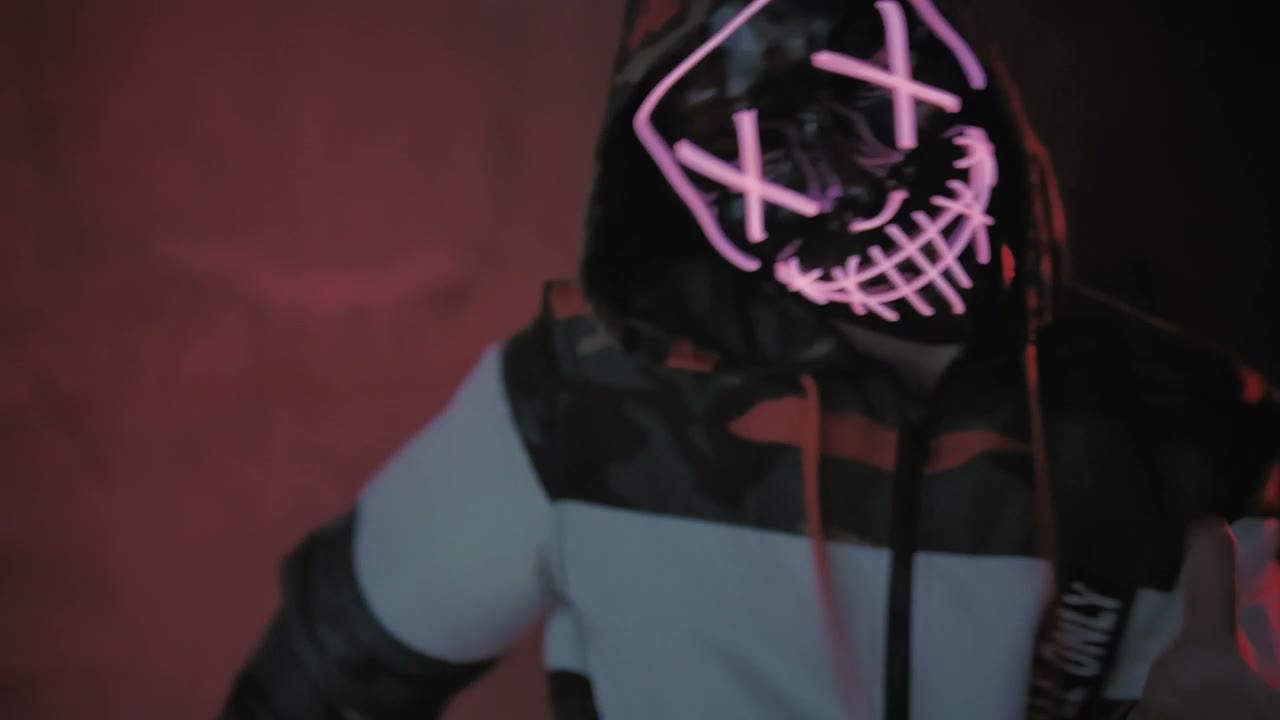
Hip-hop has a visual vocabulary as distinct as its production styles. A drill record and a boom-bap record do not want the same light, the same lens or the same location. The good news for AI video is that most of this vocabulary is describable in physical terms: colour temperature, light direction, grain, camera height, wardrobe silhouette.
This guide breaks down seven styles and gives prompt language for each. None of it requires naming an artist, a label or a copyrighted video. Describe the light and the place, and the model does the rest.
Golden era (late 1980s–mid 1990s)
Look: warm tungsten, film grain, brick and concrete, baggy silhouettes, boomboxes, low ceilings. The palette is amber, brown and faded blue.
Camera: locked-off medium shots, slow zooms, low angles. The camera is a participant, not a drone.
Prompt language: "mid-1990s city sidewalk, warm late-afternoon sun, brick wall, baggy denim and oversized jacket, large silver boombox, soft film grain, slight VHS halation, locked-off medium shot with a slow zoom."
Avoid: modern cars, LED signage, smartphone screens, crisp digital sharpness. One anachronism breaks the spell.
Trap (2010s–present)
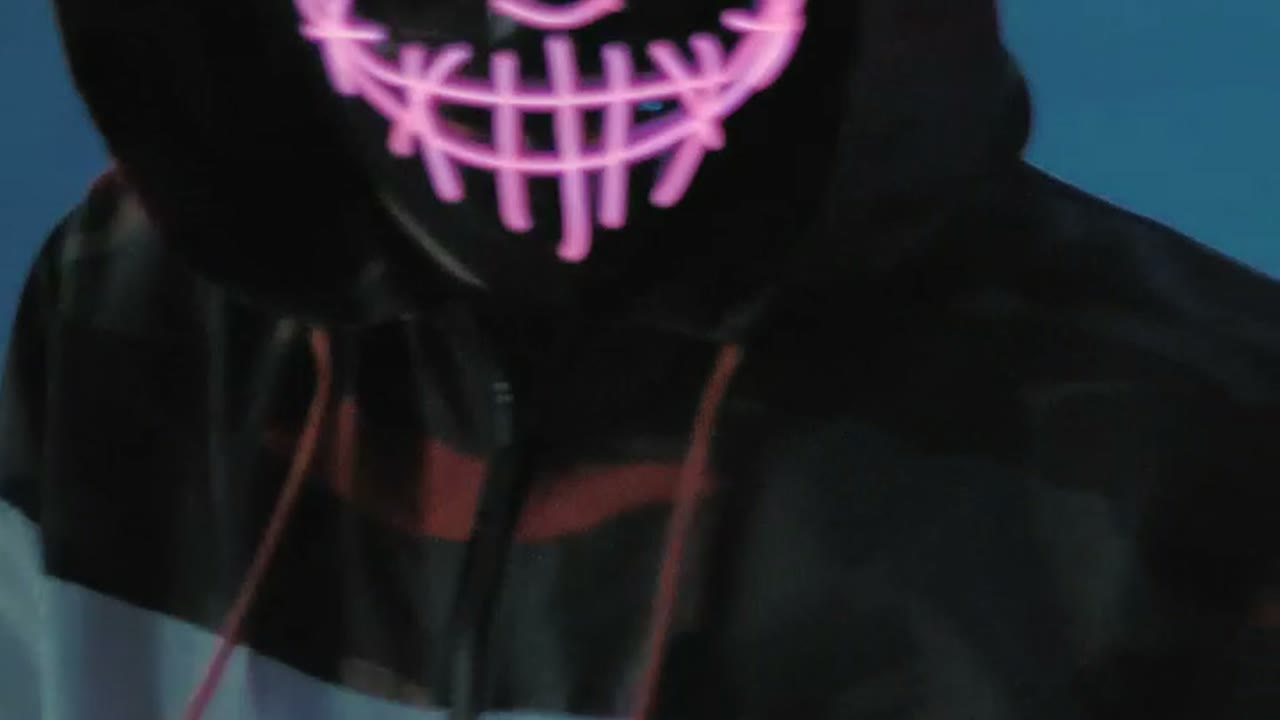
Look: dark rooms, hard coloured practicals, haze, chrome and glass, high contrast. Purple, magenta, ice blue and sodium orange.
Camera: slow push-ins, low angles, shallow depth of field. Movement is deliberate, almost menacing.
Prompt language: "dark club interior at night, magenta and ice-blue practical lights cutting through haze, chrome surfaces, the performer lit from below, shallow depth of field, slow low-angle push-in, high contrast."
Avoid: daylight, warm domestic light, busy crowds with visible faces. Trap visuals are about isolation inside a crowd.
Drill (UK and NY, 2010s–present)
Look: cold, overcast, desaturated. Rooftops, estates, wet concrete, grey skies. The palette is grey, blue and the occasional red.
Camera: wide, static or slowly tracking, often from a distance. The performer is small in a large, cold world.
Prompt language: "empty rooftop at blue hour, overcast cold light, wet concrete, distant tower blocks out of focus, performer in a hooded jacket standing still, wide low-angle shot with a slow push-in, desaturated palette."
Avoid: glamour, warm light, saturated colour, busy staging. Drill visuals are austere on purpose.
Boom bap (1990s–present revival)
Look: warm, intimate, analog. Basements, record shops, studios, single practical bulbs. Brown, amber, deep shadow.
Camera: handheld, close, imperfect. A slight float is better than a perfect dolly.
Prompt language: "low basement with exposed brick, single warm tungsten bulb overhead, turntable and stacked records behind, performer in a knit hat and jacket performing to camera, handheld medium shot with slight float, warm film grain."
Avoid: LED colour, glossy surfaces, wide empty spaces. Boom bap is a small room with history in it.
Lo-fi / bedroom (2010s–present)
Look: soft window light, muted palette, plants, posters, a bed or a desk. Imperfect and quiet.
Camera: static, close, natural. The frame feels found rather than designed.
Prompt language: "small bedroom in the late afternoon, soft window light from the left, muted green and beige palette, posters and a plant out of focus behind, performer sitting and performing to camera, static medium close-up, gentle film grain."
Avoid: stage lights, haze, crowd energy. Lo-fi is the absence of production.
Y2K / futuristic (2000s and retro-future)
Look: chrome, silver, icy blue, glossy surfaces, early-digital graphics. The future as imagined in 2001.
Camera: slow orbit, reflective floors, symmetrical framing.
Prompt language: "futuristic chrome corridor with reflective floor, icy blue and silver light, glossy surfaces, performer in a metallic jacket, symmetrical framing, slow orbit around the performer, subtle digital glow."
Avoid: readable screens, fake UI text, brand logos. The model cannot render text, and fake UI looks cheap.
Afrofuturist
Look: deep colour, gold and violet, celestial or ritual imagery, textile patterns, dramatic silhouettes. The reference is a visual language, not a specific artist.
Camera: wide, formal, slowly moving. The performer is framed like a portrait.
Prompt language: "ceremonial interior with deep violet and gold light, patterned textile backdrop, performer in a sculptural jacket standing in a formal pose, wide symmetrical shot with a slow push-in, rich saturated colour."
Avoid: copying a specific video's set or costume, and any real person's likeness. Build the world from materials and light, not from someone else's frame.
Mixing styles without making mush
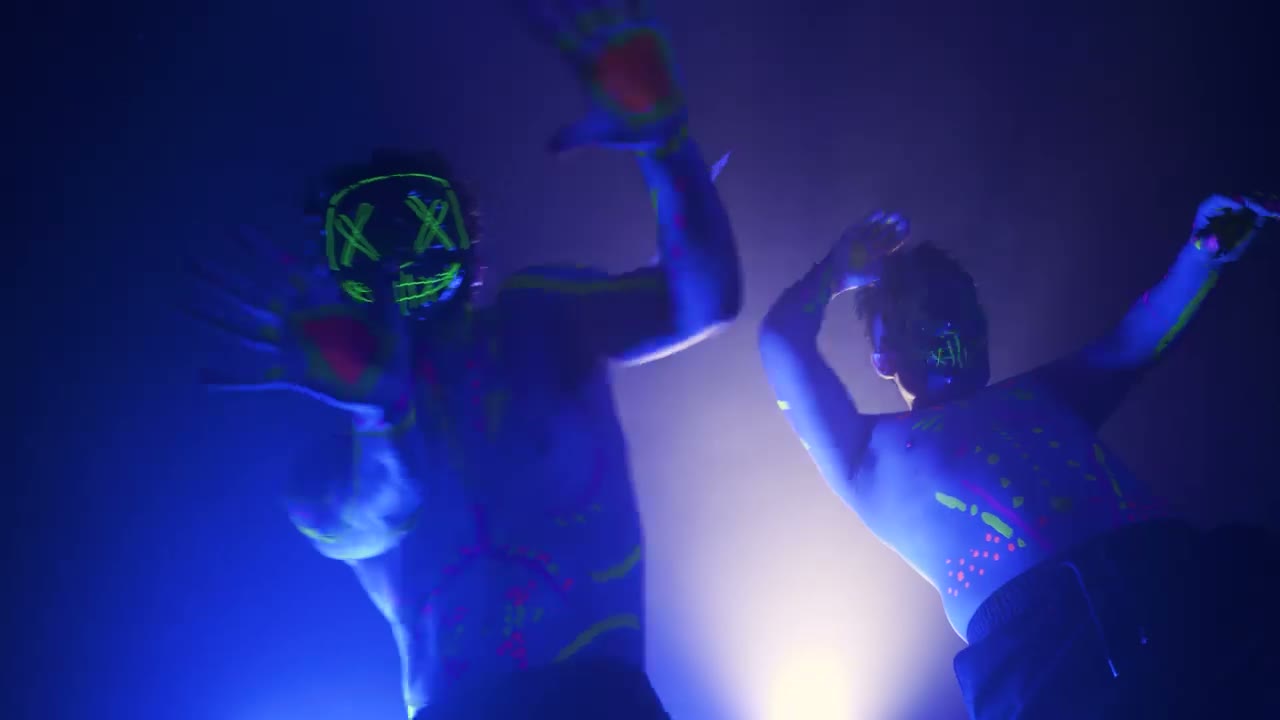
A style is a small number of decisions: palette, light hardness, location, wardrobe silhouette, grain, camera behaviour. Change two of those and you have a variation. Change all six and you have a different video that no longer matches the track.
Pick the style from the record, not from a mood board. A sparse, introspective track usually wants a small room and soft light. A loud, aggressive track usually wants a wide, cold space and hard light. The visual should agree with the arrangement.
How to test a style cheaply
Do not test a style on a twelve-second 1080p render. Test it the way a photographer tests a look: one still, one short clip, one variable.
- Render five seconds at 480p with the full style prompt. Watch the first frame and the last frame. If the palette and the light are already wrong, the style language is wrong, not the seed.
- Change only the light sentence. If the look improves, keep the new sentence and move on to the location.
- Once the palette holds for five seconds, render eight seconds at 720p with the camera move you actually want. Camera moves are where a style falls apart, because a wide orbit reveals parts of the set the model has not built.
- Only then spend on the final length and resolution. A style you have not tested is a gamble; a style you have tested at 480p is a decision.
Write down the prompt that worked. A style is only useful if you can reproduce it next week, and the model does not remember your last session.
A note on references
Do not prompt with an artist's name or a specific video's title. Likeness and copyright are separate risks, and both are avoidable: describe the light, the place, the wardrobe and the camera. Those are the elements that actually produce the look, and they are yours to combine.
For prompts you can paste, see the 12-prompt library. For how the model handles light and fabric, read Seedance 2 rap videos.
Related guides
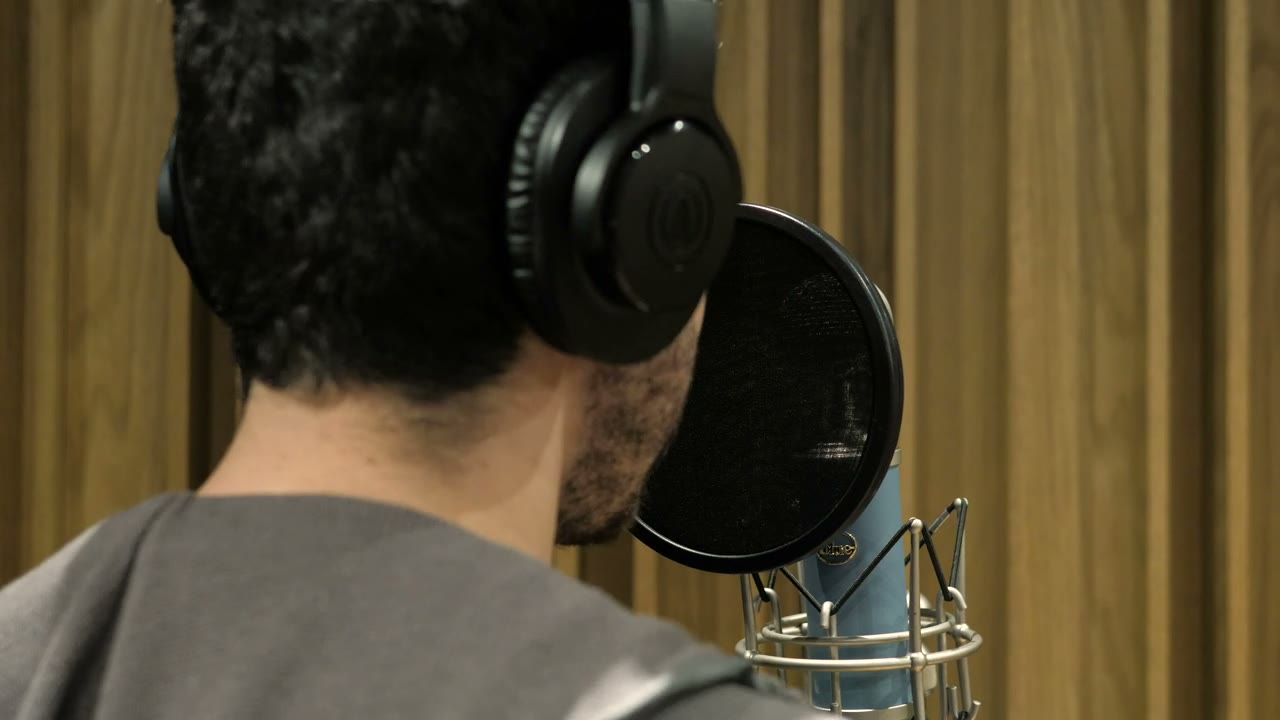
How to Make an AI Rap Video From One Photo (2026 Guide)
The exact workflow for turning one portrait into a rap performance clip: choose the photo, pick a scene, write one action, render, review and export.
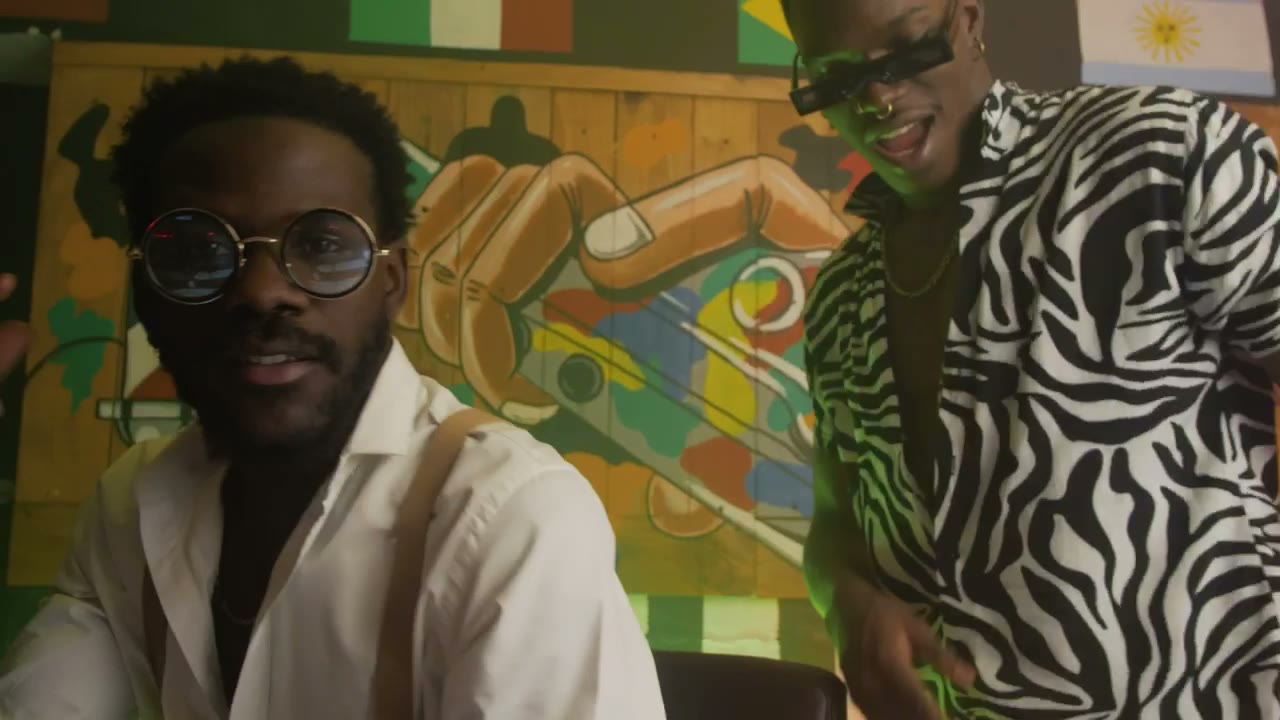
AI Rap Duo Video Guide: Two Faces, One Scene
How to generate a convincing rap duo video from two photos: matching light, blocking, who leads, how to avoid face swaps and how to cut the result.
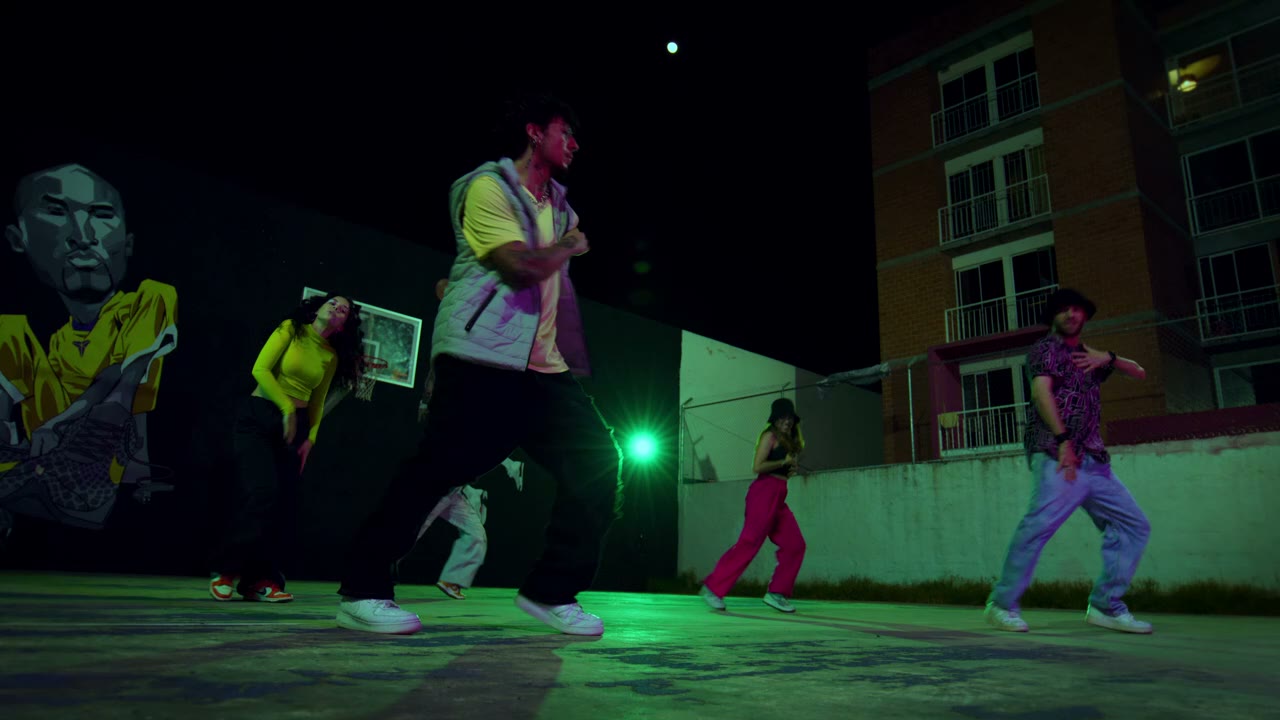
12 AI Rap Video Prompts That Actually Work
Twelve copy-paste prompts for rap performance clips: club stage, booth, cypher, retro sidewalk, drill rooftop, lyric bed and more, with the guardrails that keep faces stable.